あなたのチームの誰かが、2週間の猶予をもって退職の意向を伝えてきたとします。とてもよく働き、頼りになり、問題を起こすこともなかったメンバーです。そんな彼らが去ってしまい、「もっとエンゲージメントを高めるために、何ができたのだろう?」と考え込んでしまうのではないでしょうか。
2024年、アメリカにおける従業員のエンゲージメントは過去10年で最低水準に落ち込み、仕事にエンゲージしていると感じているワーカーはわずか34%にとどまりました。さらに深刻なことに、リモートワーカーが会社のミッションとのつながりを感じる割合は、過去最低を記録しています。
でも、リモートチームのカルチャーには素晴らしい点があります。それは、柔軟で常に変化させられるということです!予算をたくさんかけたり、社員旅行を企画したり、また退屈な「オンライン飲み会」を開いたりしなくても、改善することは可能です。まずはGatherにバーチャルオフィスを持っていなくても今すぐ実践できる、リモートチームのカルチャーを高める9つの具体的で実用的な方法から始めてみましょう!
まずは、簡単な定義からおさらいしましょう。「リモートチームのカルチャー」とは、分散したチームがどのように働き、つながるかに影響を与える、共有された価値観、習慣、そして帰属意識のことです。これはオンボーディング用のスライドに書かれたきれいごとではありません。誰も見ていない火曜日の午後に、実際に起きていることこそがカルチャーなのです。
リモートチームのカルチャーを改善する9つの方法
改善に取り組む前に、自社のカルチャーを定義する
集中して働ける環境を本気で整える
事務的なだけの会議を、本当のつながりに置き換える
カジュアルで、予定外の交流が生まれるスペースを作る
本物の称賛を仕組みにする(Slackの#kudosチャンネルだけに頼らない)
一緒に学ぶことに投資する
コラボレーションの効率を改善する(頻度を増やすだけではなく)
フィードバックのループを閉じる
リモートチームが「本当にそこにいたい」と思える場所を作る
1. 改善に取り組む前に、自社のカルチャーを定義する
名前をつけて明確に認識していないものを、改善することはできません。
新しい習慣、ツール、またはチームイベントを追加する前に、5分間だけ時間を取り、チームに1つの質問を投げかけてみてください。「私たちのカルチャーを3つの言葉で表すと何ですか?」

質問の方法は、Latticeのアンケートでも、Slackの投票機能でも、簡単なGoogleフォームでも、何でも構いません!大切なのは、新入社員、経営層、そして何年も在籍しているメンバー全員に問いかけることです。職種や役職による偏りのない、全体像を把握するようにしましょう。
新卒の社員と役員が、同じ組織を全く異なる言葉で表現することはよくあります。まずは今の立ち位置を知ることで、目指すべき方向がぐっと見えやすくなりますよ!
2. 集中して働ける環境を本気で整える
ゾーン(フロー状態)に入って仕事ができないと、メンバーはフラストレーションを感じ、つながりが希薄になったように感じてしまいます。それはチームが悪いのではなく、働く「環境」が原因かもしれません。
チームに新しいタスクを追加する前に、現在抱えている業務を一度確認してみましょう:
ミーティング: メンバーをZoom疲れで苦しませないようにしましょう。1日に少なくとも2〜3時間(または週に1日丸ごと)、個人作業に集中できる時間を確保してください。これをチームにアナウンスし、カレンダーに登録し、あなた自身もスケジュールを厳守しましょう。
メッセージ: ミーティングをスケジュールする前に、Slackのスレッド、Loomでのアップデート、共有ドキュメントなどを活用した「非同期」のやり取りを推奨しましょう。すべての進捗報告に会議が必要なわけではありません。
期待値の管理: すべてのメッセージに今すぐ返信しなければならない、というプレッシャーを取り除きましょう。何が本当の「緊急」で、何が明日まで待てるのかを明確に定義します。
これらのルールをチームと一緒に決定することで、お互いの働き方について共通の認識を持つことができます。これにより、全員が時間をうまく調整し、目の前の仕事にしっかりと集中できるようになります!
3. 事務的なだけの会議を、本当のつながりに置き換える
すべてのやり取りが、アジェンダの設定、Zoomリンクの発行、カレンダーの招待から始まると、そこから自発的で人間味のある要素が削ぎ落とされてしまいます。あの、何とも言えないあたたかい「雰囲気」のことです。
見直してみる価値のあるポイントをご紹介します:
本当に必要な会議はどれか? チームに直接聞いてみましょう。毎週行われている会議のうち、共有ドキュメントやSlackのスレッドに置き換えられるものが2〜3個は見つかるはずです。
デフォルトの30分会議を、クイックな少人数コミュニケーションに。 簡単なテキストでの進捗報告や短いLoomビデオにすれば、「ちょっと確認」のための会議を大幅に減らせます。Gatherなら、わざわざ会議の予定をブロックしなくても、相手のデスクに近づいて5分間おしゃべりするだけで解決しますよ!
リアルタイムの時間は本当に価値のあるものに。 ブレーンストーミング、デリケートな話し合い、クリエイティブなコラボレーション、そしてみんなでの祝福(お祝い)などにリアルタイムの時間を使いましょう!
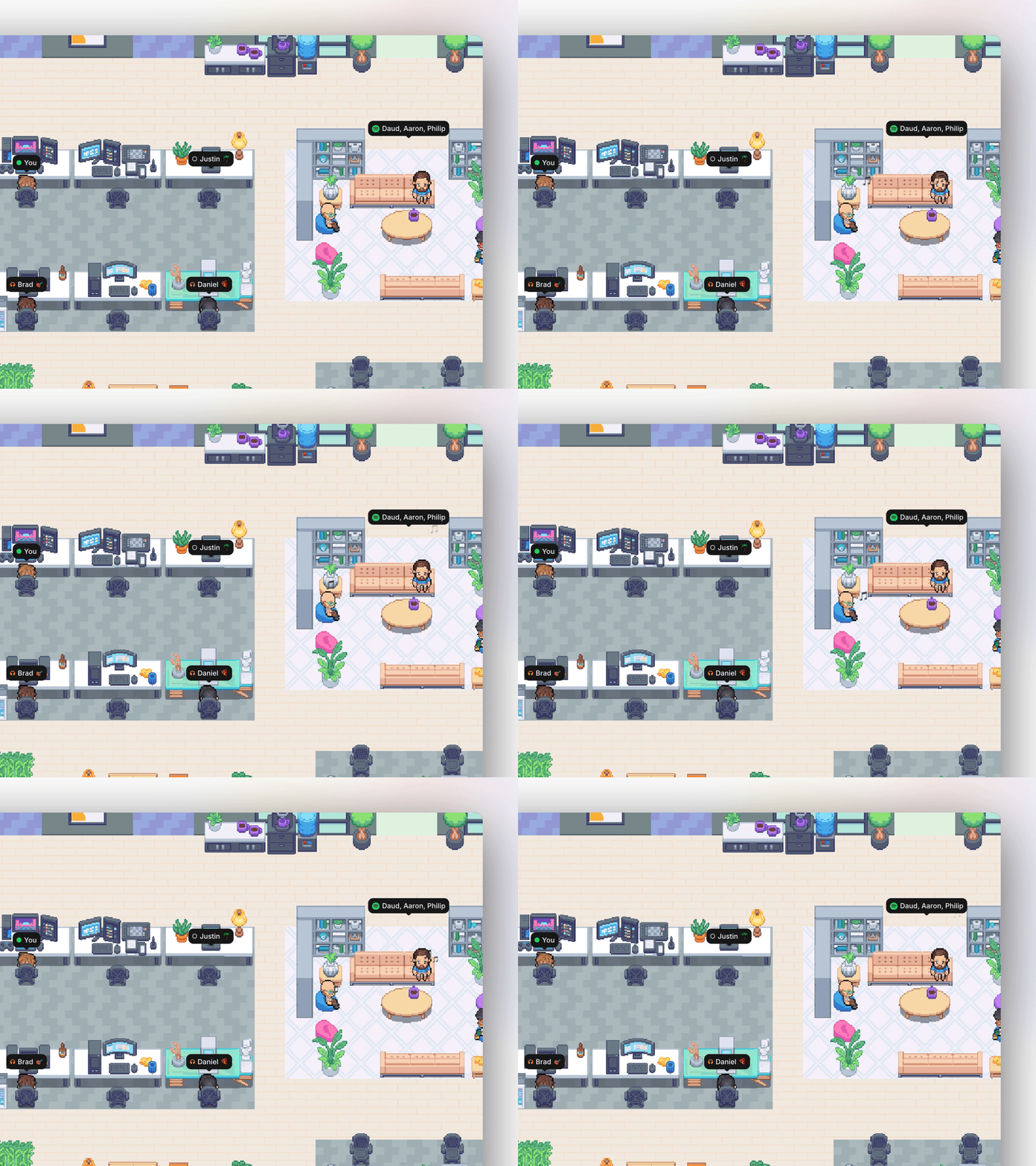
Gatherのバーチャルオフィスなら、まるでオフィスに一緒にいるかのように、気軽に5分程度の立ち話をすることができます。誰かのデスクに歩いて行って、サッと質問して、席に戻って作業を再開する。カレンダーの招待は一切必要ありません!これだけで、一日の仕事の感じ方が驚くほど変わります。(詳細はコツ#9へ!)
「全員がリモートワークなので、Gatherは私たちのチームカルチャーにとても大きな変化をもたらしてくれました。まるですべてが同じ1つのオフィス、同じ空間にあるように感じられるんです。おかげでお互いつながりやすくなり、会議の回数も減りました。」
Kayla Goosen氏(mutherboard マーケティングマネージャー)
4. カジュアルで、予定外の交流が生まれるスペースを作る
リアルのオフィスには「偶然生まれるカルチャー」がありました。廊下での立ち話、キッチンの誰かの誕生日ケーキ、会議が終わった後にみんながなんとなく残っておしゃべりした10分間の雑談などです。デフォルト設定のリモートチームには、それらが全くありません。そのため、意識して作り出す必要があります!
効果的なアイデアをいくつかご紹介します:
ちょっとニッチな雑談用チャンネル。 「#おすすめの読書」「#デスク環境紹介」「#週末のお出かけ情報」などのスレッドを作ってみましょう。特定のトピックがあれば、メンバーも参加しやすく、気軽に投稿できるようになります。
自由参加の非同期イベント。 「月曜日のモチベーション」「金曜日の写真シェア」「持ち回りの『あなたの作業スペース見せて』」といった毎週のお題を設ければ、全員が同時にオンラインにならなくても、気軽に近況を共有し合えます。
会議の延長に感じさせないオンランレク(親睦イベント)。最高なのは、出入り自由で、時間が限られており、心から楽しいと思えるものです。誰もがただカメラを見つめ合って固まっているZoomの飲み会とはおさらばしましょう!
これこそ、Gatherが大活躍する場面です!バーチャルオフィスを用意するだけで、チームが気軽にふざけたり、おしゃべりしたりできる専用の居場所が生まれます。ダンスをしたり、ゴーカートに乗ったり、ボードゲームで遊んだり、季節やイベントに合わせてオフィスをデコレーションしたり。メンバーたちのアバター、エモート、置かれた家具などは、SlackやZoomでは再現が難しいその人ならではの個性を表現してくれます。カルチャーとは、そうした小さな日常の瞬間に宿るものです。
「Gatherを使うと、楽しい一瞬を自然と見つけられます。同じ場所にいなくてもチームの絆をしっかりと保つことができ、チームの一体感をさらに高めてくれました!」
Clara Daray氏(Pegasus Content 共同創業者)
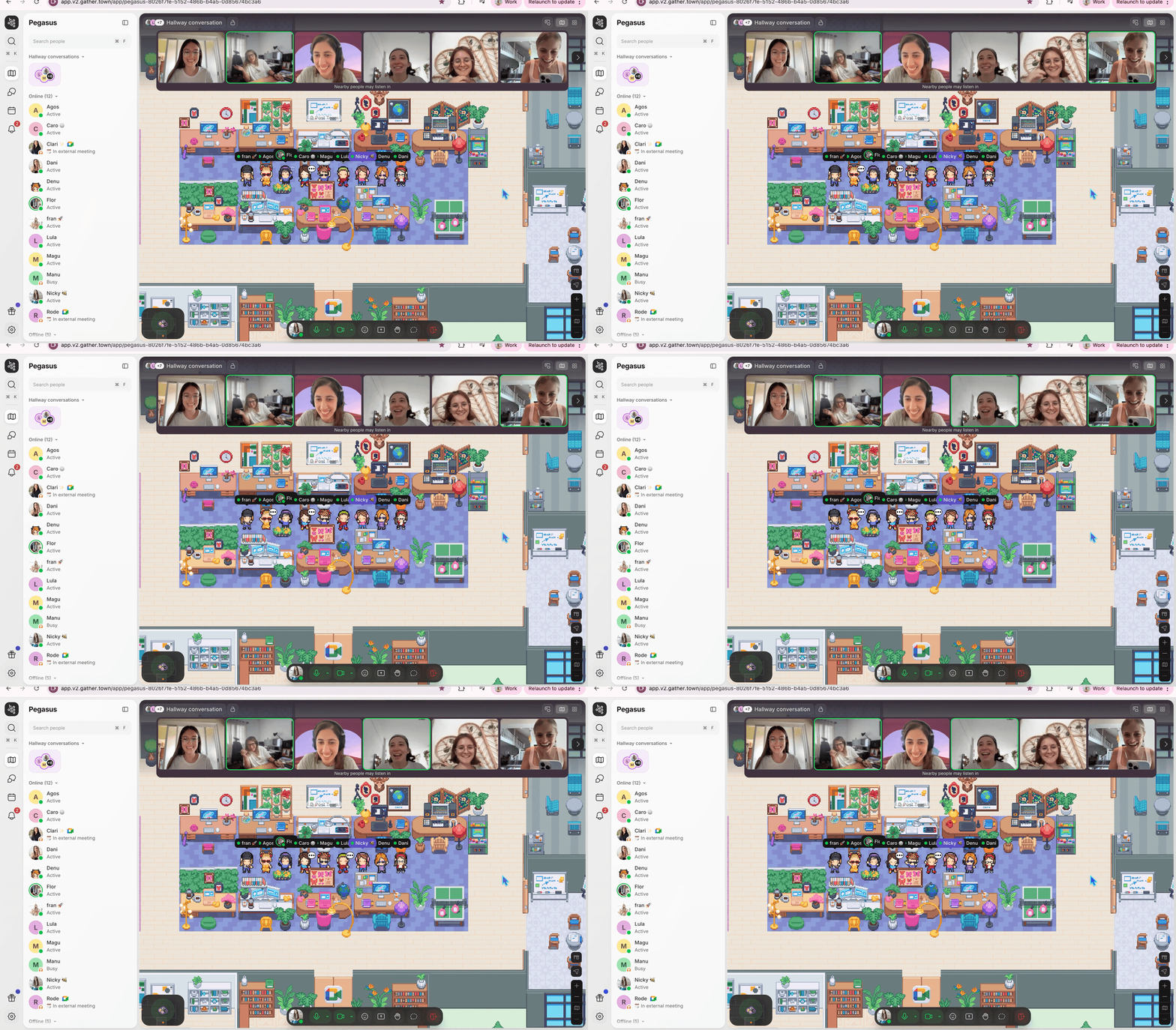
Gatherのバーチャルオフィスで、楽しそうにフォークダンスの列を作るPegasusチームのメンバーたち。
5. 本物の称賛を仕組みにする(Slackの#kudosチャンネルだけに頼らない)
メンバーを褒め称えることは、リモートカルチャーを高める上で最強の武器であるにもかかわらず、多くのチームで十分に活用されていません。Gallup社の調査によると、グローバル規模で「過去1週間以内に価値ある称賛を受けた」と強く感じている従業員はわずか4人に1人だそうです。認められていると感じられないメンバーは、翌年に仕事を辞めてしまう確率が2倍にも跳ね上がります。
問題は、物理的に同じ部屋にいないと、心からの称賛を伝えるのが難しい点にあります。(画面上の「おめでとう!」というやり取りは、朝にサプライズでドーナツが届いたときのようにワクワクする体験とはちょっと違いますよね。)
そこで、本当に効果のあるアプローチをご紹介します:
全体の前で称える。 良い出来事や成果を個別メッセージで終わらせてはいけません。チーム全員が見える場所でシェアしましょう!
定例会議の定番の議題にする。 週次の全体チャットやチームミーティングで5分間の「自慢・感謝タイム」を設けてみましょう。一度設定してしまえば、簡単に続けられる習慣になります。
上司から部下へだけでなく、メンバー同士のピア・ボーナスを。 SlackのHeyTacoのようなツールを使えば、チームメイト同士がリアルタイムで感謝の気持ちを贈り合えます。仲間同士からの素直なメッセージは、マネージャーから褒められるのと同じくらい、あるいはそれ以上に心に響くものです。
Vantage Circleの研究によると、定期的に称賛されている従業員は、2年以内の退職率が45%低下することが分かっています。これは、単なる「素敵なカルチャー作り」という以上の、非常に有力な人材引き止め戦略なのです。
6. 一緒に学ぶことに投資する
人は「自分が成長している」と実感できているとき、組織へのエンゲージメントが高まり、お互いの繋がりを強く感じるようになります。
リモートチームにおすすめのアイデアをいくつかご紹介します:
ランチ勉強会や社内ワークショップ。 誰か得意なメンバーに、その知識について講義をしてもらいましょう。隠れた才能を発見でき、教える側のモチベーションアップにも繋がります。
他チームとのスキルシェア。 プロダクト開発担当者を招いてプロダクトのロードマップについてマーケティング部に教えてもらったり、エンジニアリングチームにコードレビューの素晴らしい方法を説明してもらったりします。チームの壁(サイロ化)を取り除き、横の繋がりを作るのにぴったりです。
オンライン講座やカンファレンスの費用を会社で負担し、後で意見を共有する。 ただ学習費用を支給するだけでなく、感想を語り合いましょう。この「振り返り」こそが、メンバーのつながりを強め、カルチャーを豊かにしてくれます。
大切なのは、「学び」を1人きりで行うLinkedIn向けの活動にするのではなく、みんなで楽しむ「シェア体験」にすることです!
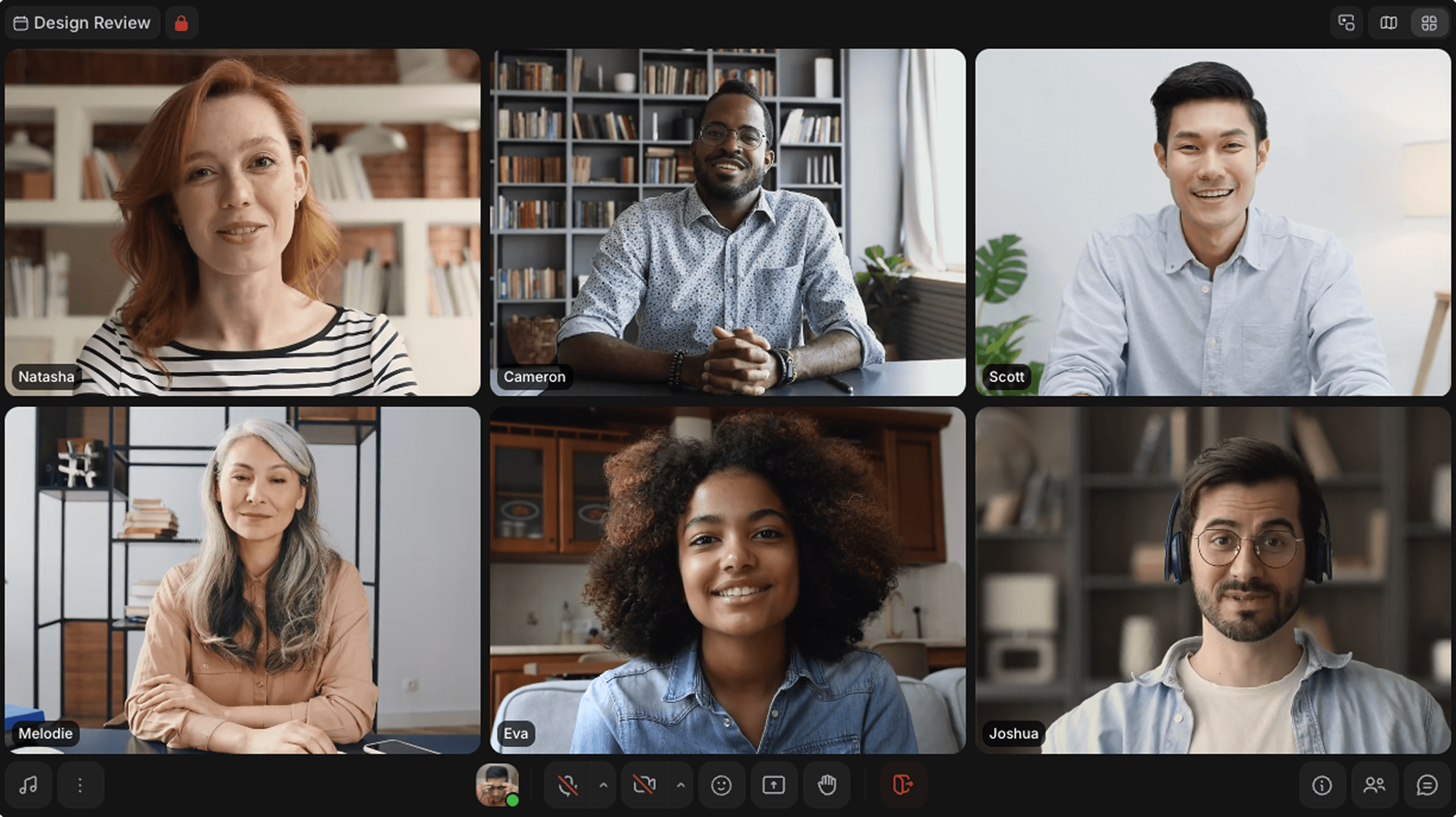
Gatherでのバーチャルミーティングの様子。
7. コラボレーションの効率を改善する(頻度を増やすだけではなく)
リモートワークのやりがちな罠として、「ただ各々並行して同じ時間に働き、Slackの通知だけが無駄に飛び交っている状態」があります。メッセージを往復させているので、一見「コラボレーション」しているように見えますが、みんなで本当に何かを一緒に作り上げている、という実感は薄いものです。
大切なのは、コラボレーションの「質」であり、ただ単に連絡の「数」を増やすことではありません。業務をガラリと変えられるアイデアをいくつかご紹介します:
チーム横断型の共同プロジェクト。 普段はあまり一緒に仕事をしないメンバー同士を、あえて同じタスクに割り当ててみましょう。2週間の短期プロジェクトで生まれた信頼関係は、そのプロジェクトが終わった後も長く続きます。
非同期でできる共同ブレスト。 Miroや、Gatherに置かれたホワイトボードなどのツールを使えば、同じ時間に長いミーティングを取らなくても、みんなでアイデアを膨らませていくことができます。思いついた人がメモを貼り、誰かがそれにアイデアを書き足し、次のミーティング開始時にはすでに意見のベースができあがっているのが理想です。
「誰がリーダーなのか」と「全体の文脈」をすべてクリアにする。 良いコラボレーションには、この両方が欠かせません。全員に責任があるということは、裏を返せば誰も主体性を持たないことと同じです。担当リーダーを指名しつつ、チーム全員に「この仕事がなぜ重要なのか」のストーリーを共有しましょう。
「私たちは、もっと自然体で過ごせる場所を探していました。そこでバーチャルオフィスとしてGatherを使い始めたのです。今では、気軽にチームメイトの席にサッと寄るまで、1秒もかかりません。会議の時間を調整するといった煩わしさなしに、最高のアイデアがどんどん出てきます。フィードバックも実際のオフィスと同じように、その場で発生します。結果、より早いスピードで開発し、より高品質のデザインを制作できるようになりました。誇れる、そしてとても強いつながりのチームができたと感じています!」
Siddharth Vij氏(Bricx 共同創業者)
8. フィードバックのループを閉じる
何もないところからカルチャーは生まれません。率直な意見をもらう必要があります。そして率直な意見は、「私の回答がきっと何かを変えてくれる」という信頼からしか生まれません。なんの見返りもアクションもないアンケートを何度も繰り返すのは、意見を聞かないことよりも逆効果、なんてこともあります。
ここで、今すぐ始められる黄金サイクルをご紹介します:
定期的かつお手軽に聞く。 月に一度、または四半期ごとのクイックアンケート(最大3〜5問)を実施すれば、何かが大問題に発展する前の予兆段階でキャッチすることができます。Latticeや、WorkleapのOfficevibeはこれをとてもスマートにサポートしてくれます。
結果を経営陣だけでなく、チーム全員にシェアする。 透明性はより強い信頼を築いてくれます。たとえ少し気まずい結果が出たとしても、情報の輪に入れてもらうことで、メンバーは会社から尊重されていると感じます。
1つのアンケートごとに、少なくとも1つのことに取り組み、進捗を報告する。 「皆さんが教えてくれたXについて、今回はYの変更を行いました」は、マネージャーがチームに言える最も誇らしく強力な言葉の1つです。
そして本記事の最初のステップに戻ります。このアンケートを数ヶ月後にまた行ってみてください。チームを表現する言葉が「分断された」「バラバラな」から「繋がりのある」「まとまった」へと変化していれば、改善が実を結び始めている証拠です!
9. リモートチームが「本当にそこにいたい」と思える場所を作る
この記事で紹介したアイデアは、バーチャルオフィスがなくても実施できます。しかし、この最後のヒントは、他のどんなアクションでも絶対に代えられないものを生み出します。それは、ただ業務を処理するのではなく、チームと「一緒に」働いているというあの安心感です。
リモートワークには、フレキシブルさ、集中できる時間、通勤ラッシュがないことなど、多くのメリットがあります。一方で、自然と失われがちなのが「チームに囲まれている感覚」です。誰が自分のデスクにいるかを見る、作業の合間に声をかける、カレンダーに設定されていないような他愛のない世間話をする。これらの日常の瞬間こそがカルチャーの種となり、Slackのやり取りや予定通りのビデオ会議だけで再現をするのがとても難しい部分なのです。
それを完璧に叶えてくれるのが、Gatherのバーチャルオフィスです。リモートワークとしての「柔軟性」や「自分の作業への徹底した集中」という魅力的な良さに、「自発的なコミュニケーション」や「みんなで同じ空間で過ごしている心地よい一体感」を丸ごとプラスすることができます。まさに、良いところ取りなんです!
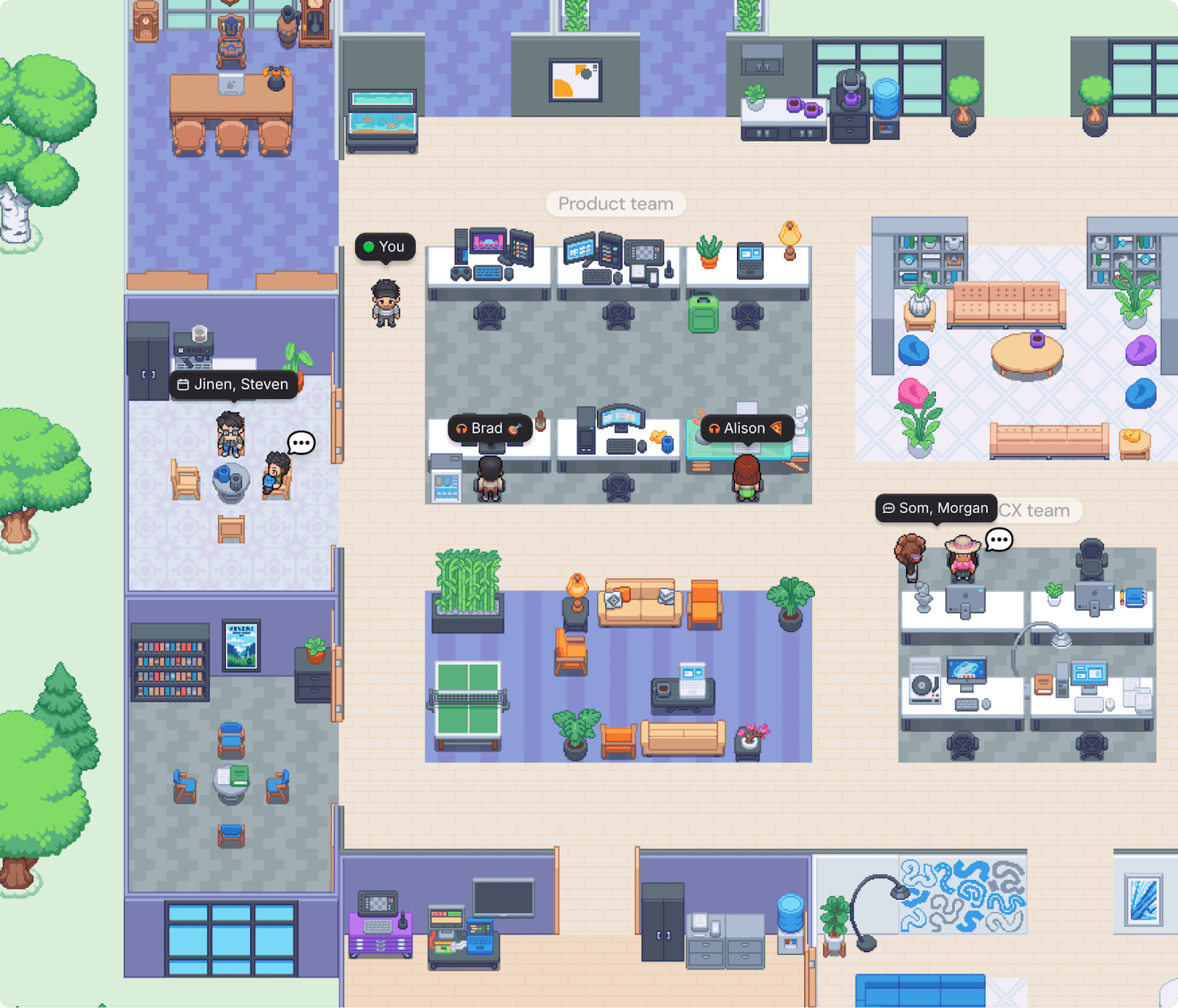
メンバーのアバターがお互い動き回る様子が見えます。誰かにゆっくり近づいていくだけで、空間オーディオによってそのまま自然に会話が始まり、エモート(絵文字)でリアクションし合い、5分後には自分のデスクに戻る。会議リンクを作ったり、時間をブロックしたりする時間は一切必要ありません。
「Gatherのバーチャルスペースを導入したことで、日々の交流やコラボレーションの仕方が180度変わりました。単なる画面上のバーチャルなオフィスではありません。自然とアイデアを話せるようになり、一緒にコラボレーションするのがすごくかんたんになり、日常の小さな瞬間を通して温かいカルチャーを感じられる最高のスポットになっています。」
Natalie Karr氏(マーケティング部門ディレクター)
Gatherを始めるのは非常に簡単で、数分で自分たちの素敵なバーチャルオフィスが作れます。30日間の完全無料トライアルでチームの皆さまとまるごと1ヶ月お試しいただけますし、もし困ったことがあれば、いつでも私たちサポートチームがお手伝いします!
まずは質問からスタート!
リモートチームのカルチャー改善は、一発勝負のイベントではなく、毎日の素敵な習慣の繰り返しです。そして「自分がここにいて認められている」と感じられること、仲間とつながっていることが実感できれば、ちょっとしたポジティブな習慣が驚くほどのハッピーな相乗効果を生み出します。
まずは簡単。今週、メンバーたちに「会社のカルチャーを3つの言葉で表すと?」と聞いてみてください。どこから進めばいいのか、今いる現在地を把握することで、進むべき道のりがきれいに見えてきます。
リモートチームに、安心して楽しく働き、イベントを一緒にお祝いできる「大切なみんなの居場所」を作ってみたいと思ったら、ぜひGatherをチェックしてくださいね!素晴らしいバーチャルオフィスが、あなたとチームの皆様を心よりお待ちしています。まずは30日間の無料トライアルを体験してみる